
Rodney Scott passed away in prison while serving a decades-long sentence for sexually abusing multiple underage boys over a span of more than a decade.
He was once well-known in Fayetteville, North Carolina, for working with youth basketball and school safety programs.
But behind the scenes, he used his role to take advantage of vulnerable children, especially those he fostered or mentored.
From Respected Coach To Prison Sentence, Rodney Scott Died Behind Bars!
Ex-coach Rodney Scott, once a respected youth basketball coach in Fayetteville, North Carolina, was later exposed as a serial predator who used his position to exploit vulnerable boys.
He served as an assistant coach at Pine Forest High School and worked in various roles with youth programs, including as a foster parent and safe schools coordinator.
Between 2003 and 2016, Scott was accused of over 100 sex offenses involving minors aged 13 to 16.
Prosecutors described him as a “career predator” who lured boys with promises of basketball opportunities, gave them alcohol, and assaulted them, sometimes in his own home.
In 2019, he pleaded guilty to eight counts, including statutory rape and taking indecent liberties with minors. He was sentenced to up to 29 years in prison.
While serving his sentence, Scott passed away, as per the official statements from the prison system. However, details surrounding his death have not been publicly disclosed.
His passing closes a deeply painful chapter for the victims and their families, many of whom chose to remain anonymous throughout the legal proceedings.
The court had denied him work release and emphasized that his crimes were sexually violent offenses.
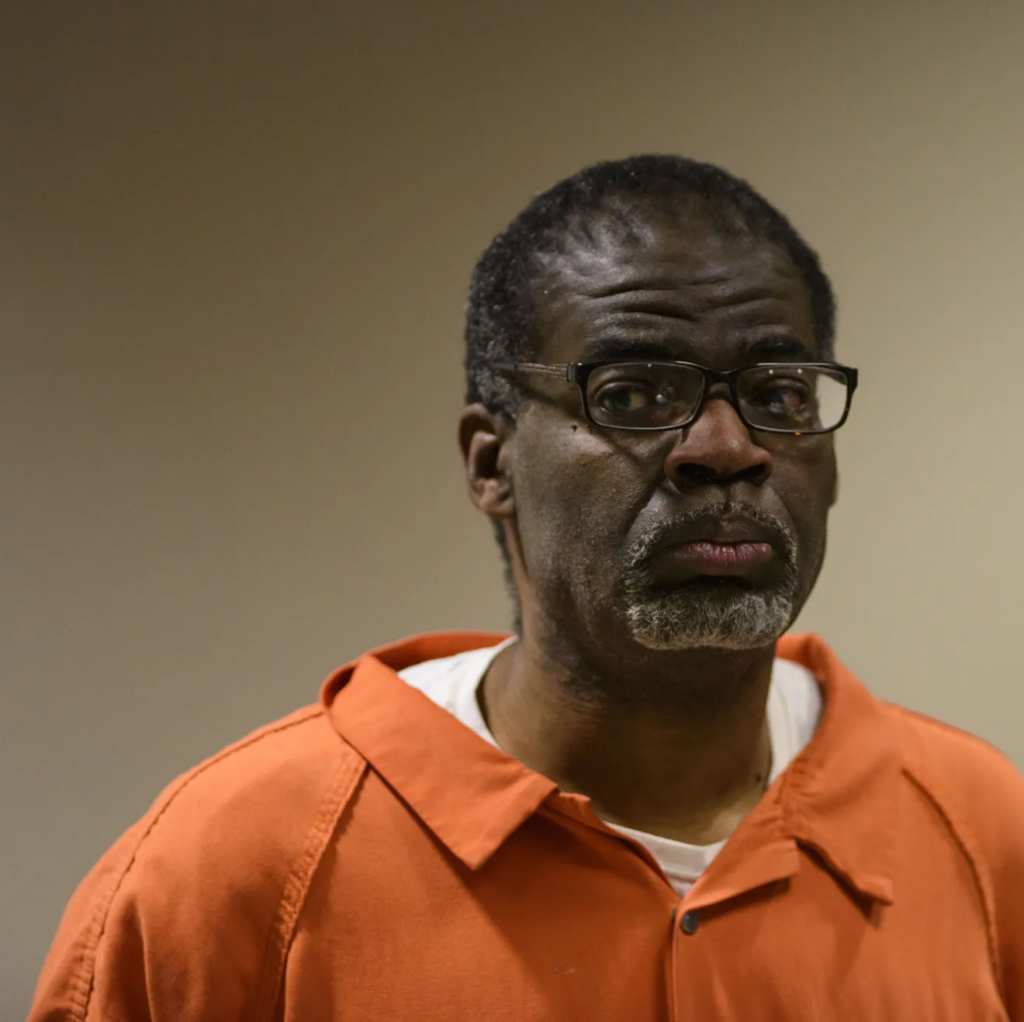
Due to the gravity of his crimes, many survivors and advocates for abuse victims expressed quiet relief.
His death was quiet and not made public with any ceremony or announcement. No official cause was shared.
One speaker, a father himself, channels the outrage shared by those who viewed Scott’s death not as a loss, saying:
Shouldn’t even have say you wouldn’t sympathy let that N***a rot in hell
Voices like this don’t just express personal pain; they also speak for survivors, advocates, and families who live with the emotional aftermath.

