
YORK, Pa. — Rashawn Jamison says everything that once kept him moving became the reason he wanted to stop.
After the death of his young son, Elijah, the game that used to lift him up turned into a source of pain.
He quit school for a while. He stopped talking to people. He stopped eating. He lost sleep and the faith he once held.
For a time, he put his shoes away and thought about walking away from basketball forever.
“When everything went bad and I was sinking into the dark abyss I wanted to give up and honestly I did,” Rashawn wrote.
“I gave up and quit because everywhere I went, everything I did, I did them with you. I stopped going to school for a little bit. I stopped talking to people. I stopped eating. Lost so much sleep. I stopped caring about myself.”
Basketball had been more than a hobby. His son, Elijah, cheered from the sidelines and copied him between games.
That presence made the sport a home. When Elijah was gone, the court felt empty.
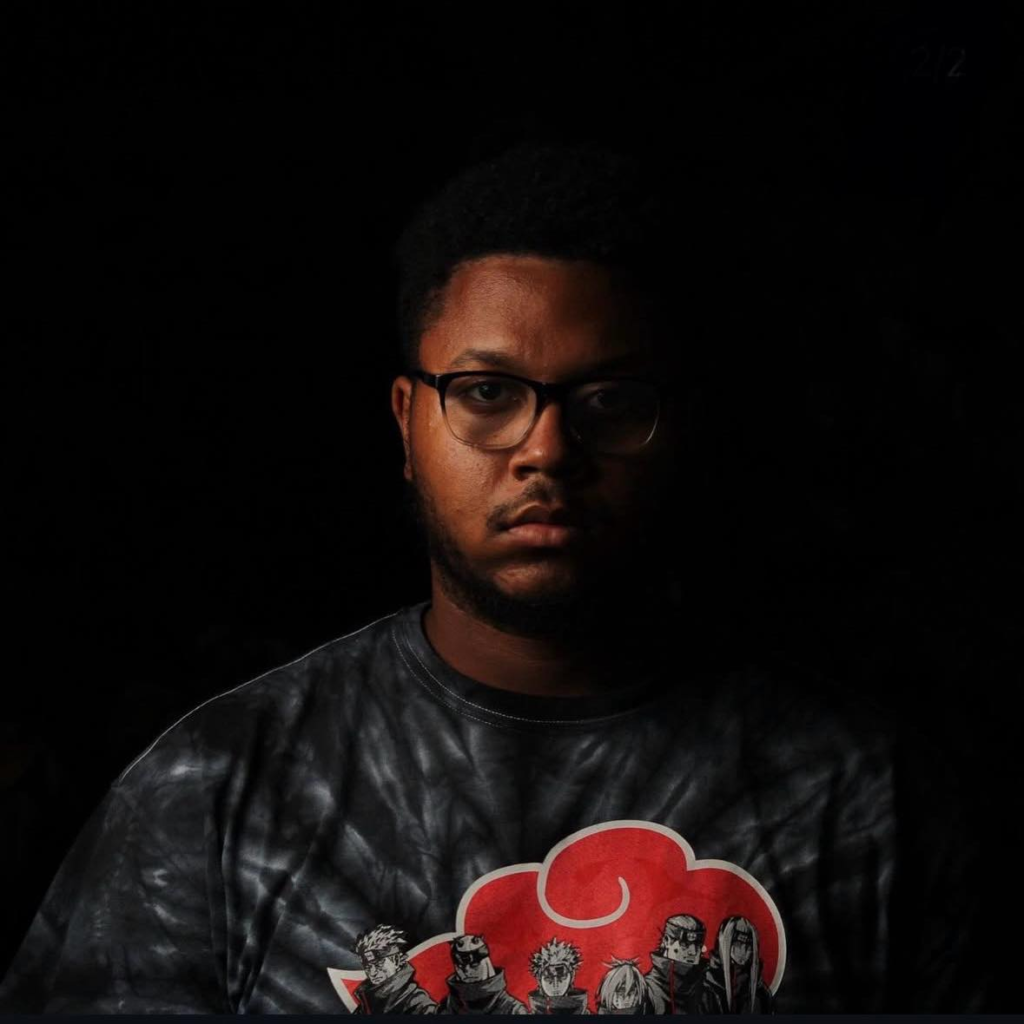
Rashawn says there was a stretch where the game changed from refuge to wound.
“It was extremely hard for me because I’m so used to having my son, Elijah, there cheering me on,” he wrote. “The game of basketball really just felt like another source of pain.”
The game that once brought him joy became a source of pain
Even at his lowest, Rashawn held on to a thread of gratitude. He called basketball both burden and outlet, something he could not completely let go of.
He described nights of faked smiles and held back tears, and then a slow, fragile return to life.
“Fast forward to today I’m slowly making my way back into the real world,” he wrote.
“Trying to find ways to distract myself, keep my head afloat. I wanted to say thank you to everyone from friends to family to even the random strangers that I don’t even know. You guys constantly checked up on me even when I gave you no reason to. I am extremely grateful to my inner circle. I love y’all.”
Rashawn also turned to faith. In a post, he asked for strength through hard times, long nights, dark thoughts, and the good moments that require focus as well.
“Strength to manage all of my blessings new and old. Strength to keep me focused. Strength to keep me going. In Jesus name I pray amen,” he wrote.
The community response was immediate and steady. Alyssa Taylor urged him to remember that Elijah would want him happy. “
He would want you to be happy. The sweetest little boy. You raise him right. God has a plan. Keep your head up and keep doing what you do best,” she wrote.
Dustin Solomon told Rashawn he is not alone. “You know we got you brother,” he wrote. Cheryl Mellinger promised prayers and reminded him that Elijah will always be with him.
Cathy Sharp urged patience and talked openly about the need to speak through grief. “Don’t be hard on yourself,” she wrote.
“All these emotions are normal. Find someone you can talk to. Talk it out. Scream at God. It’s totally fine.”
Small acts made a difference. Rashawn called out a moment that brought warmth when he needed it most.
He thanked Coach Nate for a gift that hit home and helped him feel a little less cold inside. That kind of human reach, he said, mattered more than words.
Now Rashawn is trying to rejoin life on the court. He is looking at amateur or semi-pro leagues and trying to find his way back into the game that shaped him.
He knows the path will not be smooth. He knows there will be days when the memory gets heavy. But he also knows there are people ready to hold him up.
The story Rashawn shared is not only about loss. It is about how a community responds, how small gestures pile up into something steady, and how the process of healing can begin in the middle of chaos.
It is also about the complicated place sports can hold in a life. For him the game was a mirror for his grief and a tool to rebuild.
“I want to say thank you to the game of basketball,” he wrote. “It felt like a burden, but it also remained my outlet even though there were times where I was holding back tears faking the laughs, faking the smiles. It’s the one thing that to me made sense.”
Rashawn is taking it one step at a time. He is reconnecting with friends, leaning on family, answering messages that once he would have ignored, and testing the waters of amateur play.
People who know him say he is strong because he keeps showing up even when the cost is high.
For anyone watching his journey, the message is clear. Grief does not follow a script.
Recovery does not happen all at once. What changes everything are the people who stay, the coaches who bring small warmth back into a dark room, and the quiet decisions to try again.
Rashawn Jamison is trying again. He is putting his shoes back on. He is choosing the court not because it erases the pain, but because it gives him a place to carry it and keep moving.

